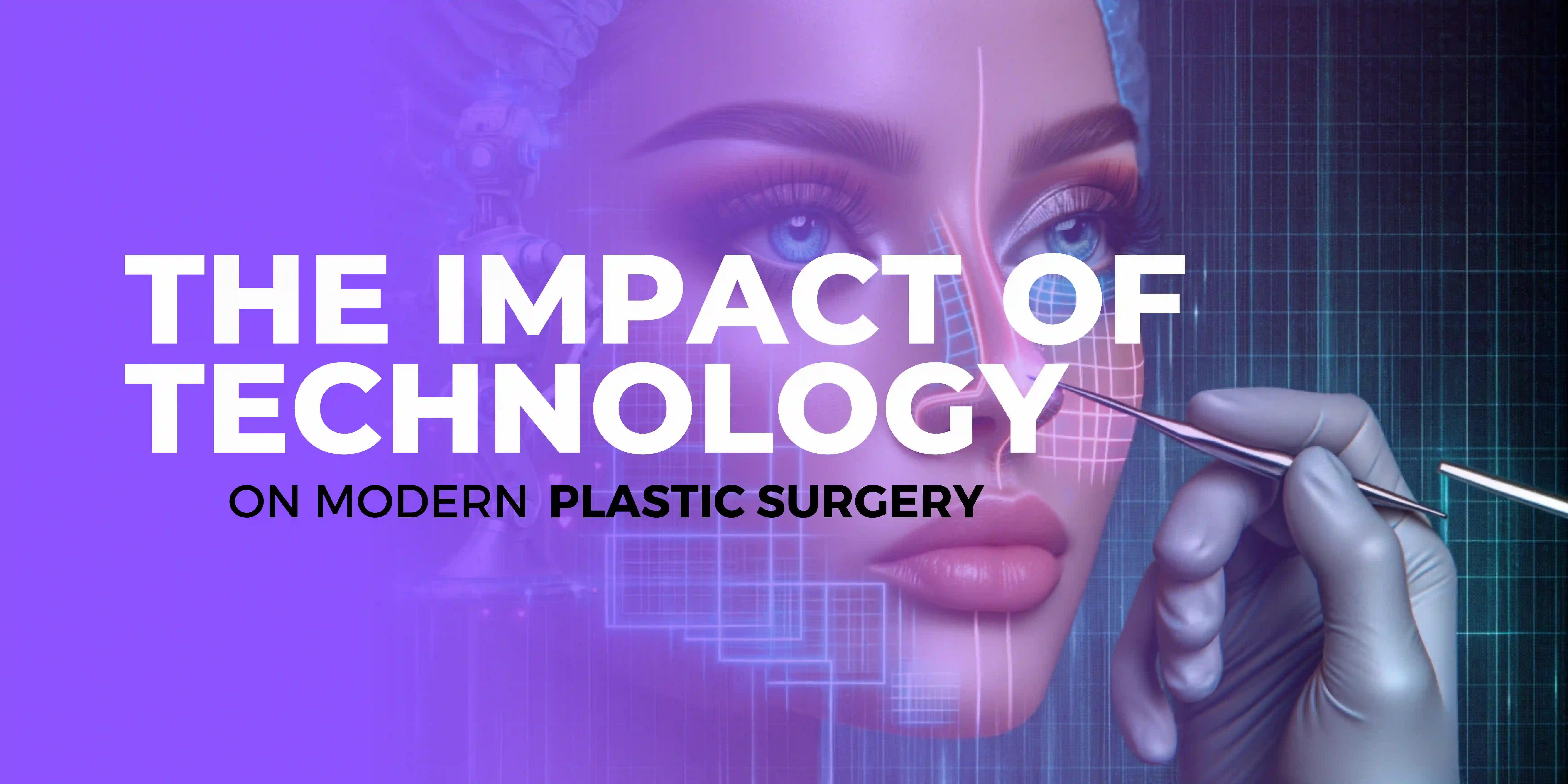
The Impact of Technology on Modern Plastic Surgery
The field of plastic surgery has undergone significant transformations over the years, largely driven by advancements in technology. These innovations have revolutionized the way procedures are performed, enhancing precision, safety, and patient outcomes. As we explore the impact of technology on modern plastic surgery, it’s clear that these advancements are shaping the future of aesthetic and reconstructive procedures.
3D Imaging and Simulation One of the most groundbreaking developments in plastic surgery is the advent of 3D imaging and simulation technology. This allows surgeons to create detailed three-dimensional models of a patient’s anatomy, providing a clearer understanding of the unique structures involved. Patients can visualize the potential outcomes of their procedures, making informed decisions based on realistic simulations. This technology is particularly beneficial for procedures such as rhinoplasty, breast augmentation, and facial contouring, where precision and patient satisfaction are paramount.
Minimally Invasive Techniques Minimally invasive techniques have gained popularity due to their reduced recovery times and lower risk of complications. Advances in endoscopic surgery, for instance, enable surgeons to perform procedures with smaller incisions, resulting in less scarring and quicker healing. This approach is commonly used in procedures like brow lifts, facelifts, and certain body contouring surgeries. The use of advanced imaging and specialized instruments ensures that these minimally invasive procedures are both safe and effective.
Robotic Surgery Robotic-assisted surgery is another technological leap forward in plastic surgery. Robotic systems provide surgeons with enhanced precision, dexterity, and control during procedures. This is achieved through robotic arms that translate the surgeon’s movements into smaller, more accurate actions. Robotic surgery is particularly useful in complex reconstructive procedures, where intricate techniques are required to achieve optimal results. The increased accuracy and reduced human error associated with robotic surgery contribute to improved patient outcomes and satisfaction.
Laser and Energy-Based Devices Lasers and energy-based devices have transformed various aspects of plastic surgery, from skin resurfacing to fat reduction. These technologies offer non-invasive or minimally invasive options for patients seeking cosmetic improvements. Laser treatments can address concerns such as wrinkles, pigmentation, and scars, while energy-based devices like radiofrequency and ultrasound can tighten skin and reduce fat deposits. The precision and versatility of these technologies allow for targeted treatments with minimal downtime.
Regenerative Medicine Regenerative medicine is an emerging field that holds great promise for plastic surgery. Techniques such as fat grafting and stem cell therapy are being used to enhance the body’s natural healing processes and promote tissue regeneration. Fat grafting, for example, involves harvesting a patient’s own fat cells and injecting them into areas that require volume enhancement, such as the face or hands. Stem cell therapy leverages the regenerative potential of stem cells to repair and rejuvenate damaged tissues. These innovative approaches are paving the way for more natural and long-lasting results
news archive
The most visited